Unlocking the Power of Mycorrhizae: A Natural Boost for Turf and Soil Health
Understanding mycorrhizae can transform how turfgrass professionals and gardeners think about soil biology. These microscopic fungal allies form symbiotic partnerships with plant roots, enhancing nutrient uptake, resilience, and overall plant performance. By tapping into this natural underground network, turf managers can improve soil function and plant health while supporting more sustainable management practices.
What Are Mycorrhizae?
The term mycorrhizae comes from Greek words meaning “fungus” and “root.” Mycorrhizae are beneficial fungi that live in close association with plant roots. Once established, they create an extensive network of microscopic filaments, known as hyphae, that extend far beyond the plant’s root system. This expanded reach allows plants to explore a much greater volume of soil than roots alone could access.
These relationships are extremely common in nature. The majority of terrestrial plants, including many turfgrass species, naturally form mycorrhizal associations. This partnership has evolved over millions of years and plays a critical role in plant survival, establishment, and long-term performance.
How Mycorrhizae Work
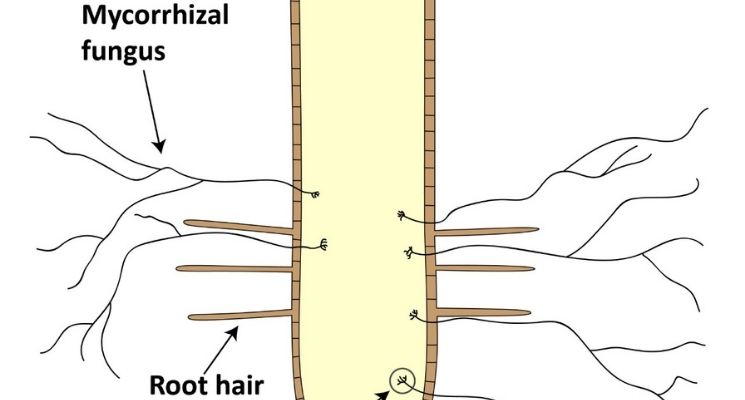
In a mycorrhizal relationship, both the plant and the fungus benefit. The plant supplies the fungi with carbohydrates produced through photosynthesis. In return, the fungi deliver water and nutrients back to the plant. Because fungal hyphae are much thinner than roots, they can penetrate small soil pores and access nutrients that would otherwise remain unavailable. Phosphorus is one of the most important nutrients delivered by mycorrhizae, but the fungi also help plants access potassium, nitrogen, and essential micronutrients. This exchange improves overall nutrient efficiency and supports stronger, healthier plant growth.
Benefits for Turf and Soil Health
For turfgrass systems, mycorrhizae provide several key advantages:
- Improved nutrient uptake, leading to more efficient fertilizer use
- Enhanced root development, resulting in deeper, more extensive root systems
- Greater drought tolerance and stress resistance, especially during periods of limited water availability
- Improved soil structure, as fungal networks help bind soil particles and increase porosity
These benefits are especially valuable in managed turf environments such as golf courses, sports fields, and residential lawns, where soil disturbance and compaction can limit natural biological activity.
Supporting Mycorrhizal Activity
Encouraging mycorrhizal development starts with protecting soil biology. Practices such as reducing excessive tillage, minimizing unnecessary fungicide applications, and alleviating soil compaction can help maintain healthy fungal populations. Mycorrhizae are most effective when applied or encouraged during active root growth, typically in spring and fall.
A Foundation for Sustainable Turf Management
Mycorrhizae are a powerful but often overlooked component of healthy turf systems. By supporting these natural fungal partners, turf professionals can promote stronger roots, improved nutrient efficiency, and greater environmental resilience. Incorporating mycorrhizae into a holistic turf management program helps build healthier soils and more sustainable landscapes from the ground up.