Why Bees Are the “Bee’s Knees” for Turf and the Environment
Bees are often misunderstood. For many people, they’re seen as a nuisance—or worse, a threat. But in reality, bees play a critical role in maintaining healthy ecosystems, supporting agriculture, and even enhancing managed turf environments like golf courses and landscapes.
So while the phrase “the bee’s knees” means something excellent, when it comes to turf and environmental health, bees truly live up to the name.
The Essential Role of Bees in Our Ecosystem
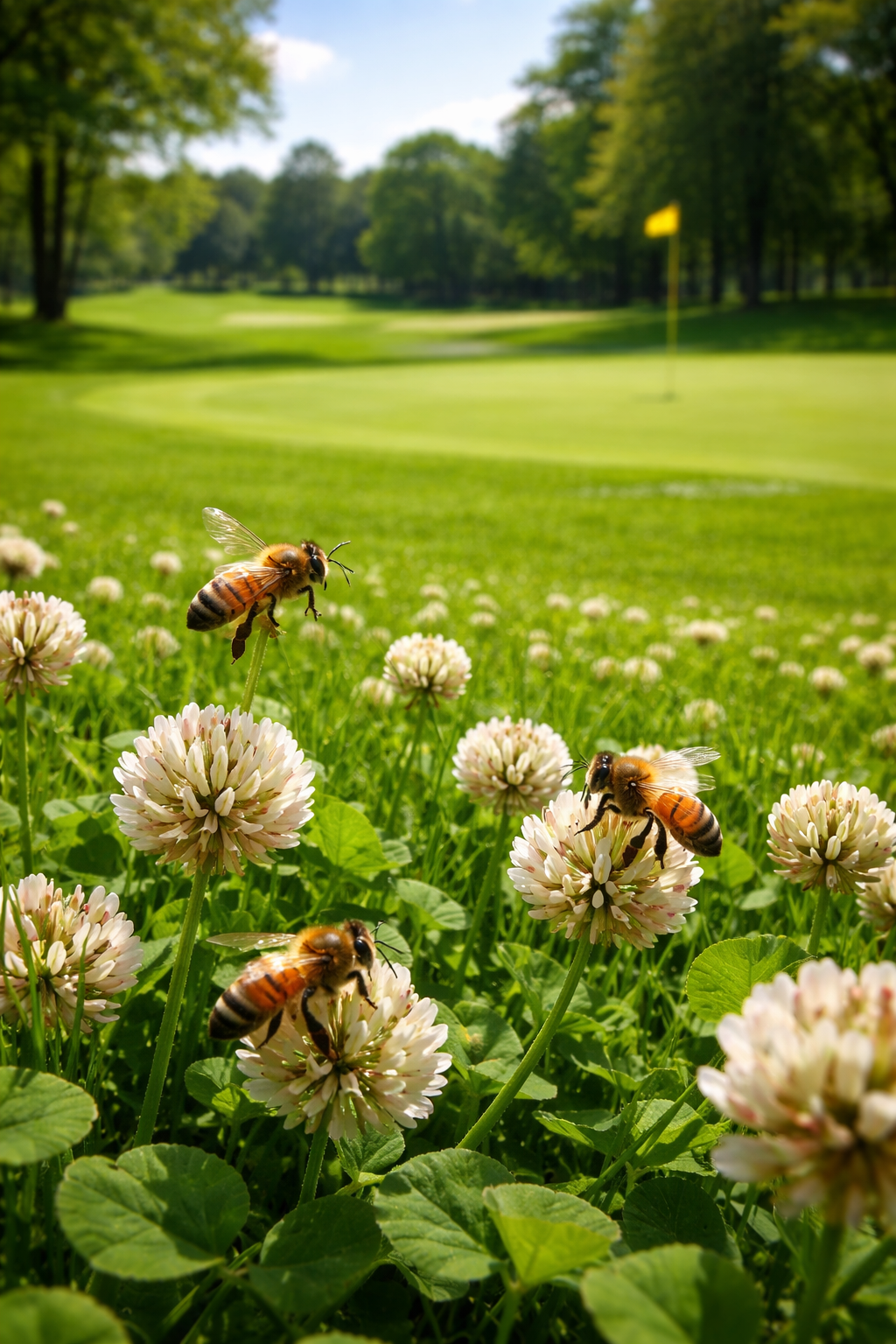
Bees are among the most important pollinators on the planet. As they move from plant to plant collecting nectar, they transfer pollen—enabling plants to reproduce and thrive. This process is responsible for the production of many crops we rely on every day, including fruits, vegetables, and nuts. Beyond agriculture, pollination also supports biodiversity by helping native plants grow and sustain wildlife habitats. Research shows that pollinators—including bees—are essential not only for food crops, but also for forage crops like alfalfa and clover that support livestock production, reinforcing their importance across the entire agricultural system.
The Decline of Bee Populations
Despite their importance, bee populations have been declining for years. Since around 2006, researchers have observed significant losses in honey bee colonies—a phenomenon known as Colony Collapse Disorder (CCD).
Scientists have identified several contributing factors, including:
-
Habitat loss
-
Pesticide exposure
-
Disease and parasites
-
Climate-related stressors
According to environmental research, these stressors often work together, creating compounded effects that can weaken or kill bee populations.
What This Means for Turf Professionals
For turf managers, golf course superintendents, and landscape professionals, bees represent both an opportunity and a responsibility.
Healthy turf systems don’t exist in isolation—they are part of a broader ecosystem. Supporting pollinators can improve plant health, enhance environmental stewardship, and even provide economic and reputational benefits.
Benefits of Supporting Bees on Turf Properties
1. Improved Environmental Health
Bees contribute to stronger plant growth through pollination, which can enhance the overall vitality of landscapes and surrounding vegetation.
2. Enhanced Sustainability Profile
Sustainability is increasingly important in the turf industry. Demonstrating pollinator-friendly practices can differentiate your property and appeal to environmentally conscious clients and communities.
3. Additional Revenue Opportunities
Some properties—particularly golf courses—have successfully introduced managed beehives (apiaries). These can produce honey that may be sold or branded locally, creating a unique revenue stream.
Practical Ways to Support Bees
Turf professionals don’t need to become full-time beekeepers to make a difference. Even small changes can have a meaningful impact:
-
Introduce pollinator-friendly plants in non-play or low-maintenance areas
-
Reduce unnecessary pesticide applications, especially during bloom periods
-
Provide water sources to support pollinator activity
-
Consider managed apiaries where appropriate and safe
-
Designate naturalized areas that support habitat diversity
For golf courses or larger properties, establishing a small apiary—typically starting with 2–3 hives—can be an effective way to actively support bee populations while maintaining safety and playability.
Addressing Common Concerns
It’s understandable that some turf professionals have concerns about bees, particularly around:
-
Player or user safety
-
Maintenance time and resources
-
Potential liability
However, with proper planning—such as placing hives out of play, fencing areas, and ensuring clear signage—bees and turf operations can successfully coexist.
A Bigger Picture Approach
At its core, supporting bees is about taking a broader view of turf management. Healthy landscapes depend on balanced ecosystems, and pollinators are a key part of that equation.
By incorporating bee-friendly practices, turf professionals can:
-
Contribute to environmental solutions
-
Improve the resilience of their landscapes
-
Strengthen their sustainability story
In short, supporting bees isn’t just good for the environment—it’s good for business, too.